The Trump administration has introduced a policy change aimed at easing the strain on foreign religious workers who have been forced to leave the United States as they await permanent residency amid a growing immigration backlog.
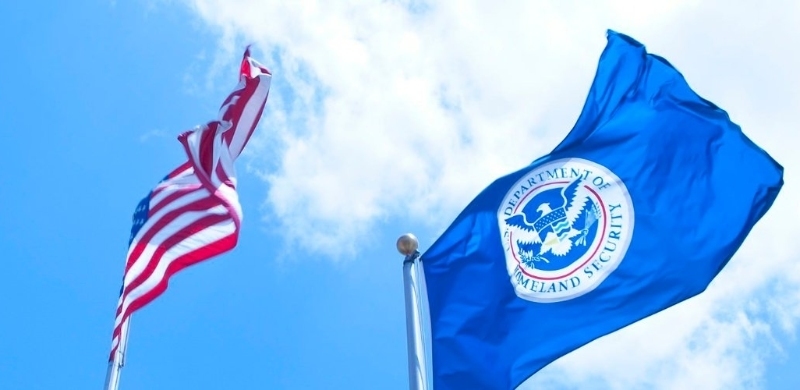
In an announcement released last Wednesday, the U.S. Department of Homeland Security said it had issued an interim final rule intended to streamline the return process for religious workers who either departed the U.S. after reaching their visa limit or chose to self-deport before their status expired.
Previously, individuals holding an R-1 religious worker visa were required to spend one full year outside the United States after completing the maximum five-year period allowed under that visa category.
While the new rule maintains the requirement that R-1 visa holders leave the country once their five-year stay ends, it eliminates the mandatory one-year waiting period abroad. Under the updated policy, there is now “no longer a minimum period of time” that religious workers must remain outside the U.S. before reapplying to return under R-1 status. Eligible workers include priests, rabbis, and nuns.
A spokesperson for DHS emphasized the administration’s rationale for the change, stating, “Under the leadership of Secretary [Kristi] Noem, DHS is committed to protecting and preserving freedom and expression of religion. We are taking the necessary steps to ensure religious organizations can continue delivering the services that Americans depend on.”
The spokesperson added, “Pastors, priests, nuns, and rabbis are essential to the social and moral fabric of this country. We remain committed to finding ways to support and empower these organizations in their critical work.”
According to DHS, the current backlog affecting religious workers stems from policy changes introduced during the Biden administration in 2023. “Changes implemented by the Department of State in 2023 significantly increased the already lengthy wait times for immigrant visas in the EB-4 category for aliens from foreign countries, including for religious workers,” the agency said.
“These delays have caused many religious workers to exhaust their maximum period of stay in R-1 status,” DHS explained. “By eliminating the one-year foreign residency requirement, USCIS is reducing the time religious organizations are left without their trusted clergy and non-ministerial workers.”
The U.S. Citizenship and Immigration Services notes that EB-4 visas allow foreign religious workers to obtain permanent residency, while R-1 visas are intended strictly for temporary service in the United States.
The interim final rule was formally published in the Federal Register on Friday, opening a 60-day public comment period before the policy is finalized.